

Two-seat electric drone built in Siemens NX by a 17-year-old student
A 17-year-old student with no NX training built 13 equation-driven parts, a 25-component drone assembly and three sizes in Siemens NX with SphereHarness.

The video plays from YouTube’s privacy-enhanced player only after you click it.
A 17-year-old student with no NX training built a two-seat electric passenger drone in Siemens NX from scratch: 13 parts, a 25-component assembly, and three sizes generated from one value. The work was driven through SphereHarness, an AI agent that works inside the CAD system, and the finished video runs 4 min 18 s.
The passenger version measures 5.06 m across the blades and 2,688 kg, according to the card shown in the video. The student did not need to know NX's commands or menus for any of it.
What was built
The narration lists 13 parts, all driven by equations, so one value (called S) sets the size of the whole aircraft.
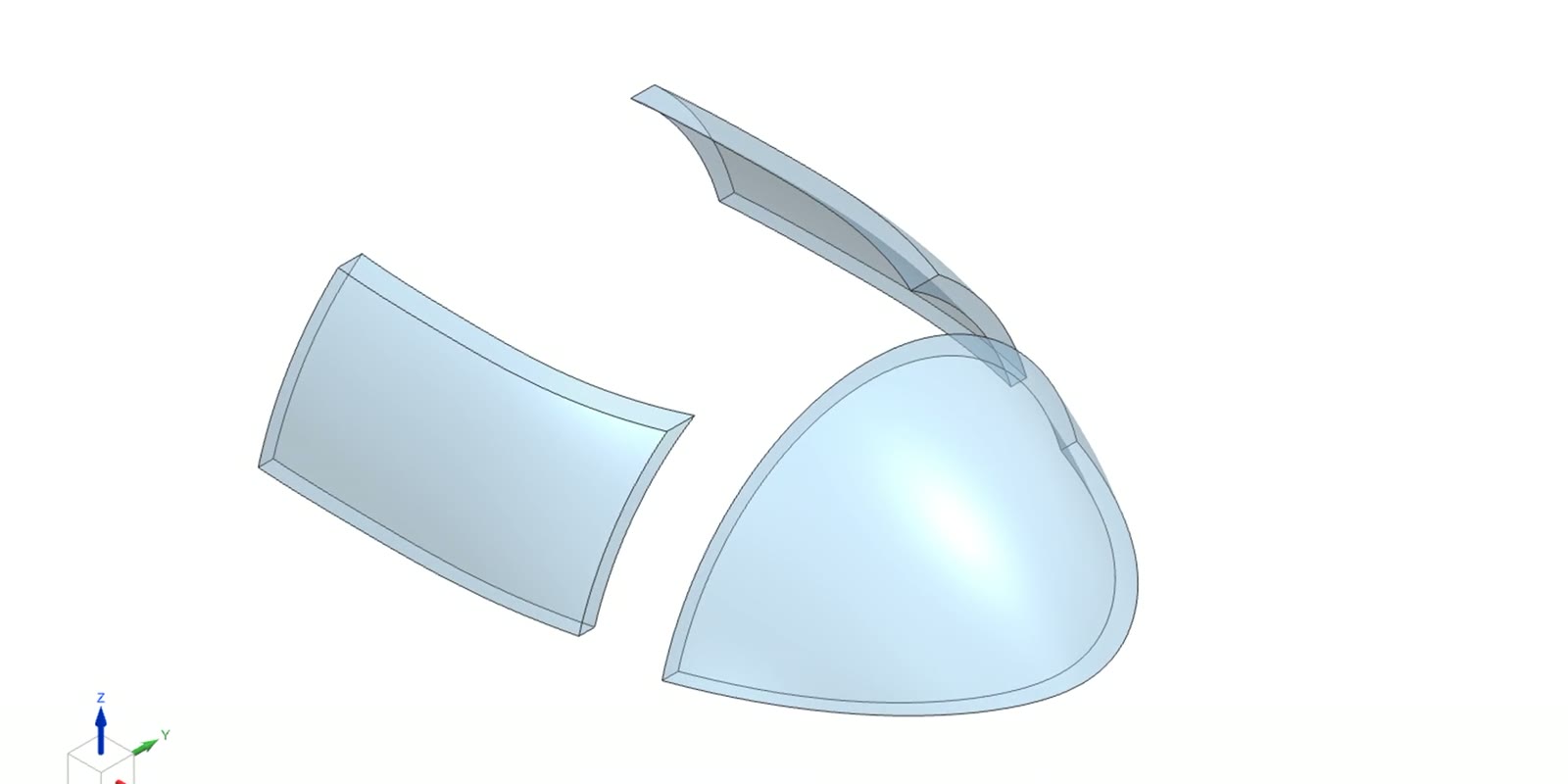
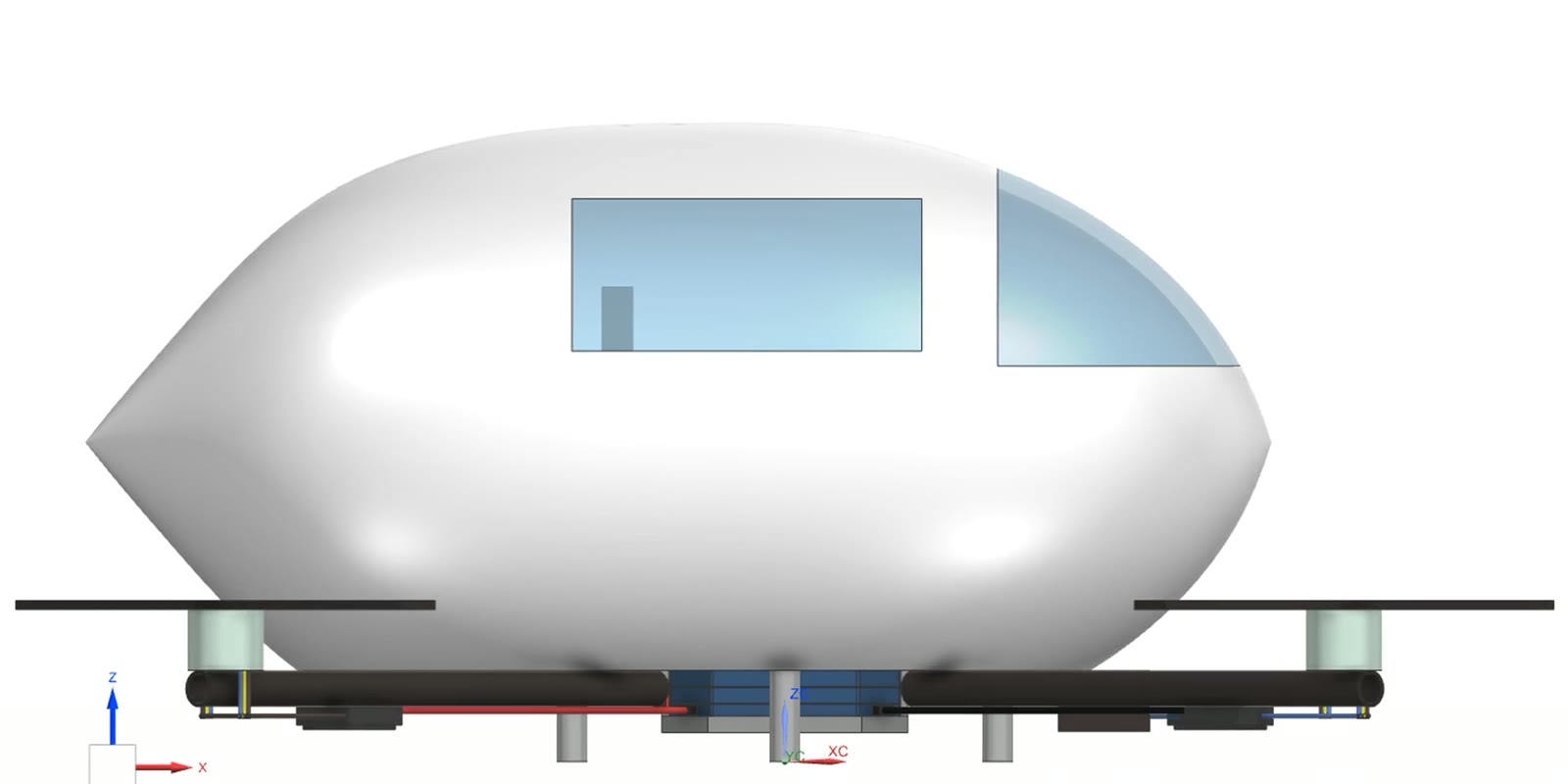
- Fuselage: a spline profile revolved into a teardrop, squeezed to 90 percent width and cut flat underneath. A slightly smaller inner shape is subtracted to leave a 60 mm composite wall. Windows and door are cut from the same shell, and the glass is polycarbonate.
- Seats: two seats, each 550 mm wide with a 450 mm seat height, in polyurethane foam. The right seat is a copy of the left with the offset flipped.
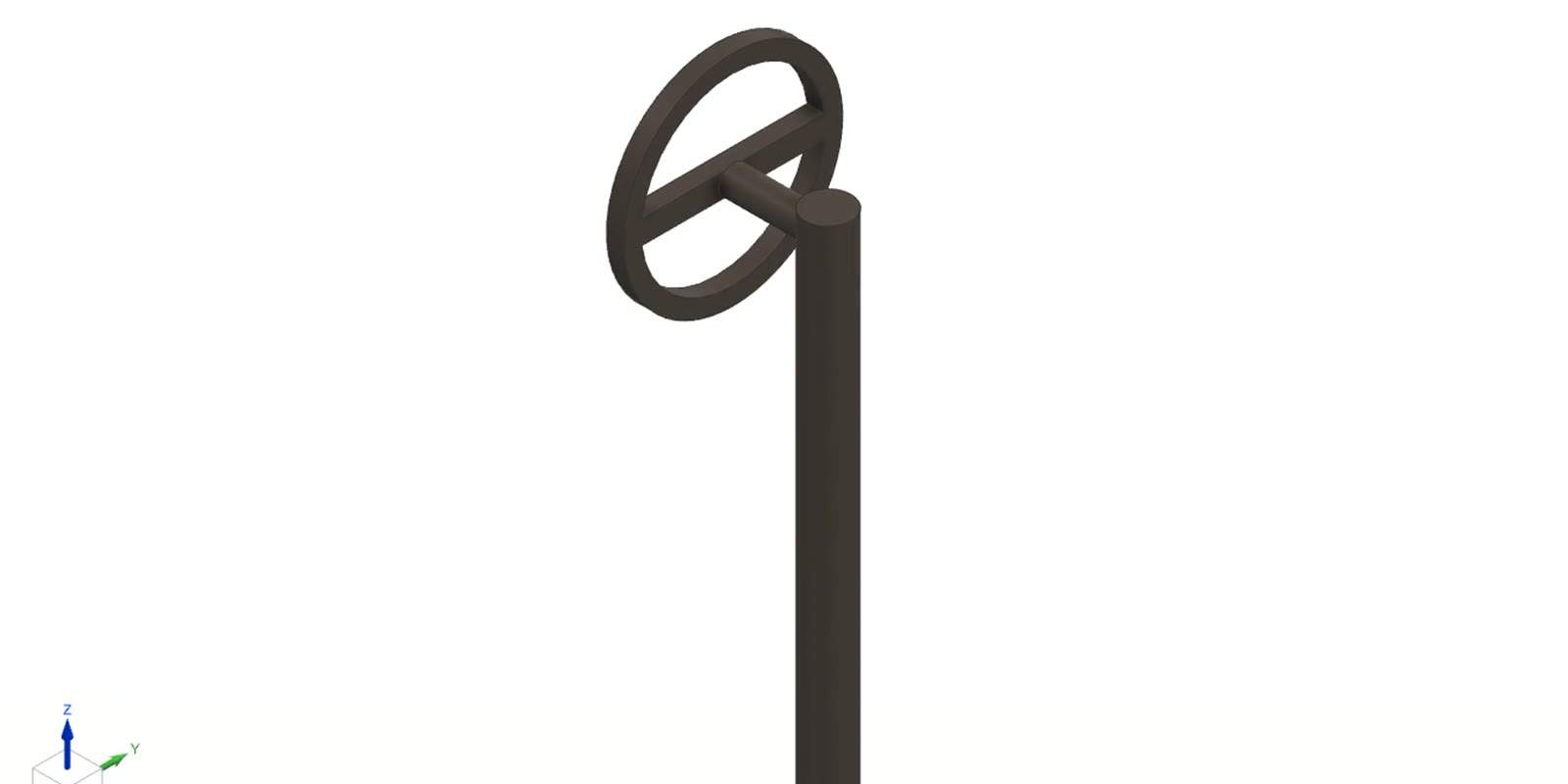
- Pilot controls: an aluminium steering wheel on a column and a floor pedestal.
- Flying hardware: four aluminium tube arms, 2.6 m from the centre to each rotor, each with a motor and an 1,800 mm glass-filled blade. Four titanium legs, and a camera with an acrylic lens under the nose.
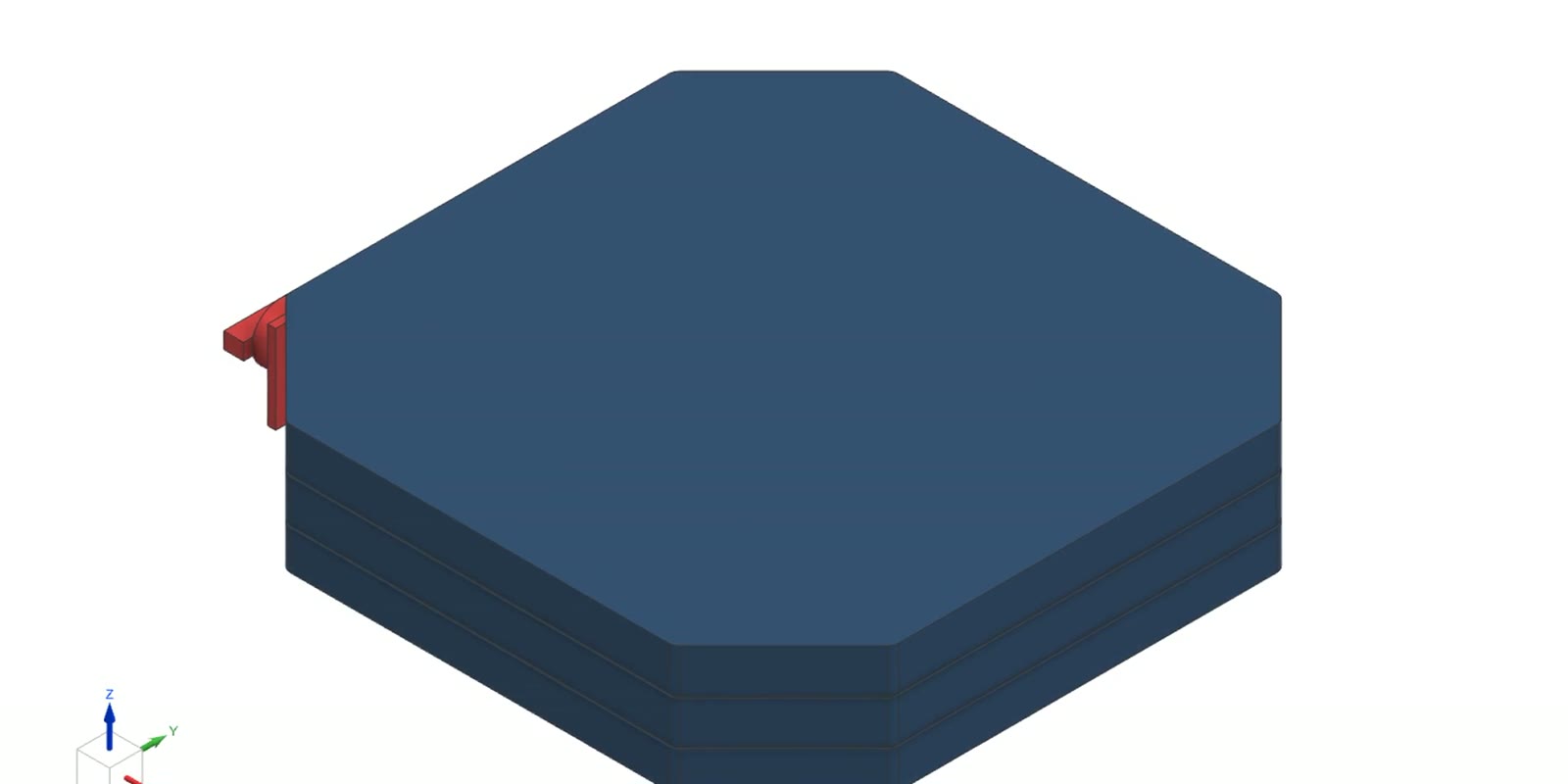
- Power system: an octagonal lithium-ion pack under the cabin with an aluminium case, cooling fins, module seams, a red safety disconnect and a charge window. Below it, a titanium guard tray with vent slots and four bolted straps.
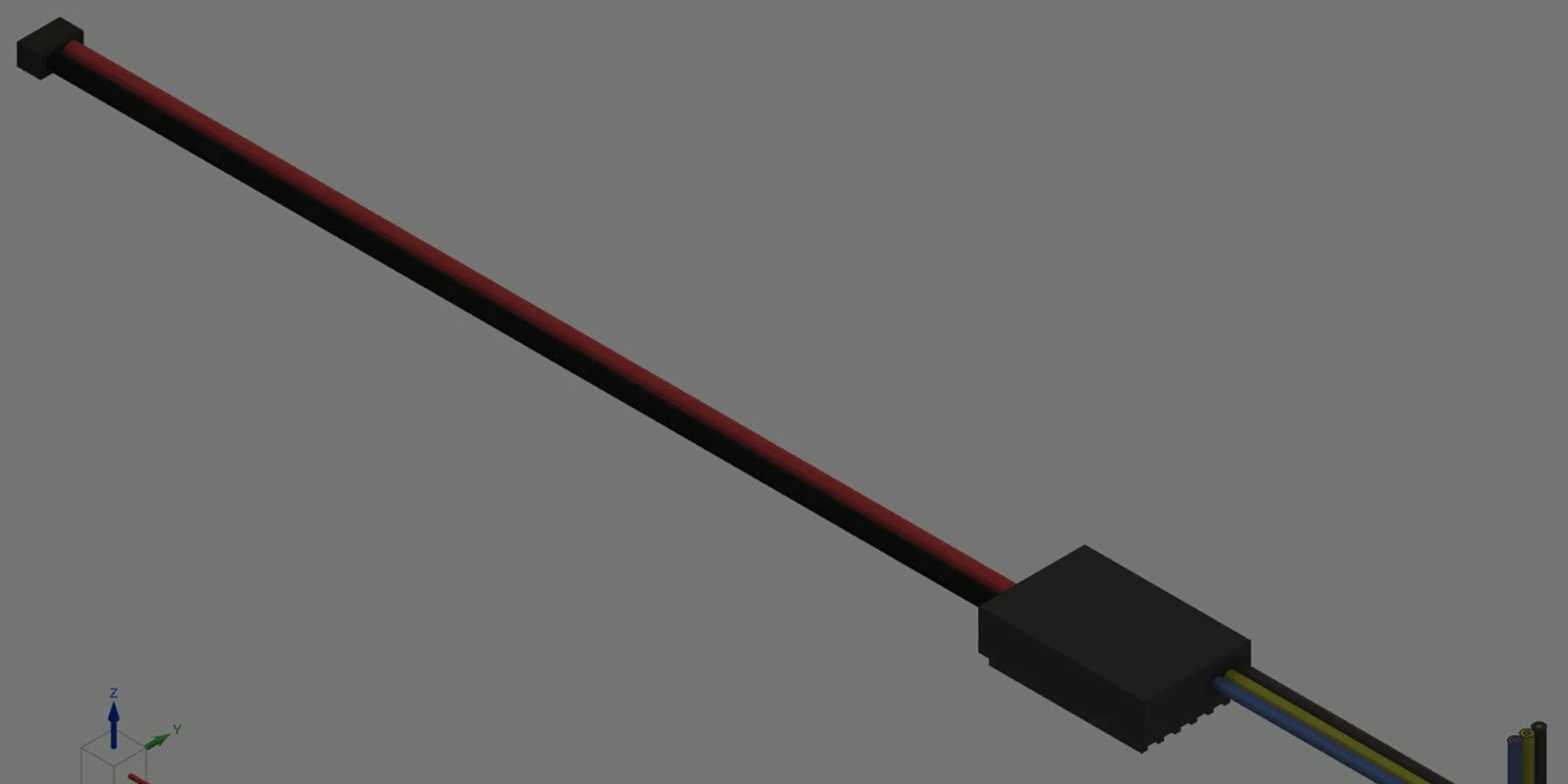
- Wiring: red and black cables with 12 mm copper cores in PVC insulation run from the battery through a cable gland to a finned speed controller. Three phase wires climb into the motor. One harness part is placed four times.
What the agent did
The video shows the NX part navigator filling with sketches, revolves, extrudes and a Scale Body feature while the chat does the work. Each shell part ends in a scale feature tied to S, and seat sizes and positions are named expressions of S.
All 25 components go into the assembly at the origin, with arms, rotors and harnesses placed on the diagonals.
What we measured
- Clash check: all 300 component pairs, zero overlap.
- Mass of the finished passenger drone: about 2,690 kg in the narration, 2,688 kg on the summary card.
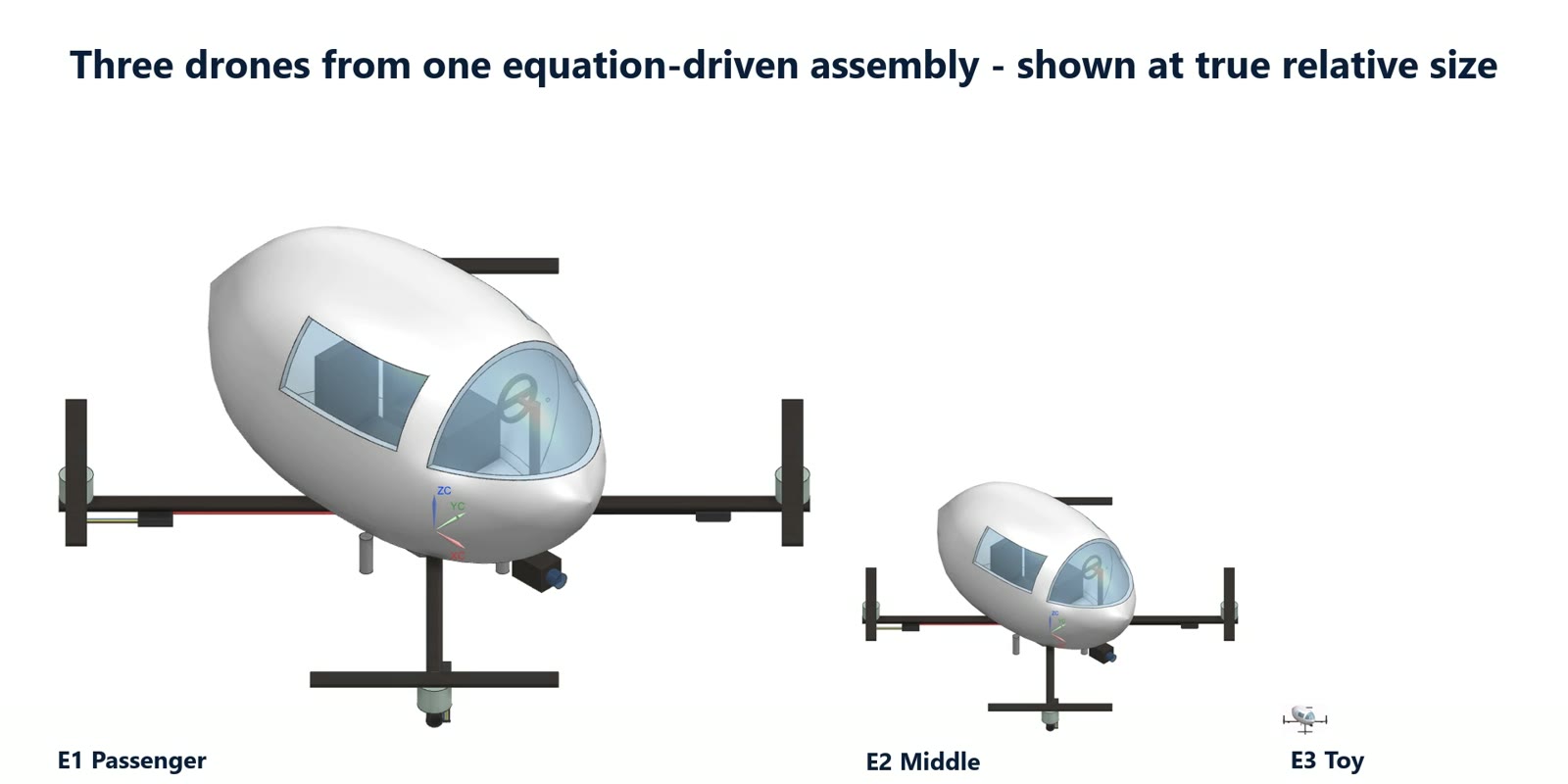
- Three sizes, each saved in its own folder and verified by its measured volume: E1 passenger at Scale 1.00 (5.06 m, 2,688 kg), E2 middle at 0.50 (2.53 m, 336 kg), E3 toy at 0.06 (30 cm, 0.58 kg).
The skill
Every successful step of the build was saved as a 506-step macro and wrapped in a skill called "Build the Two-Seat Electric Drone". To test it, the skill rebuilt the whole drone into a new folder in under two minutes. The narration says the result matched the original to the cubic millimetre, with zero clashes.
What the video does not show
The chat prompts are not on screen, so we cannot quote them here. The recording is sped up and only the NX window is captured. The battery mass and the 2,688 kg total come from the narration and the summary card; the video shows no mass-properties dialog for them.
Try it yourself
SphereHarness for Siemens NX is described at sphereharness.io/nx, and the setup steps are in the getting-started guide. The video is on the SphereHarness YouTube channel.